
Dan’s Bio
The Formative Years
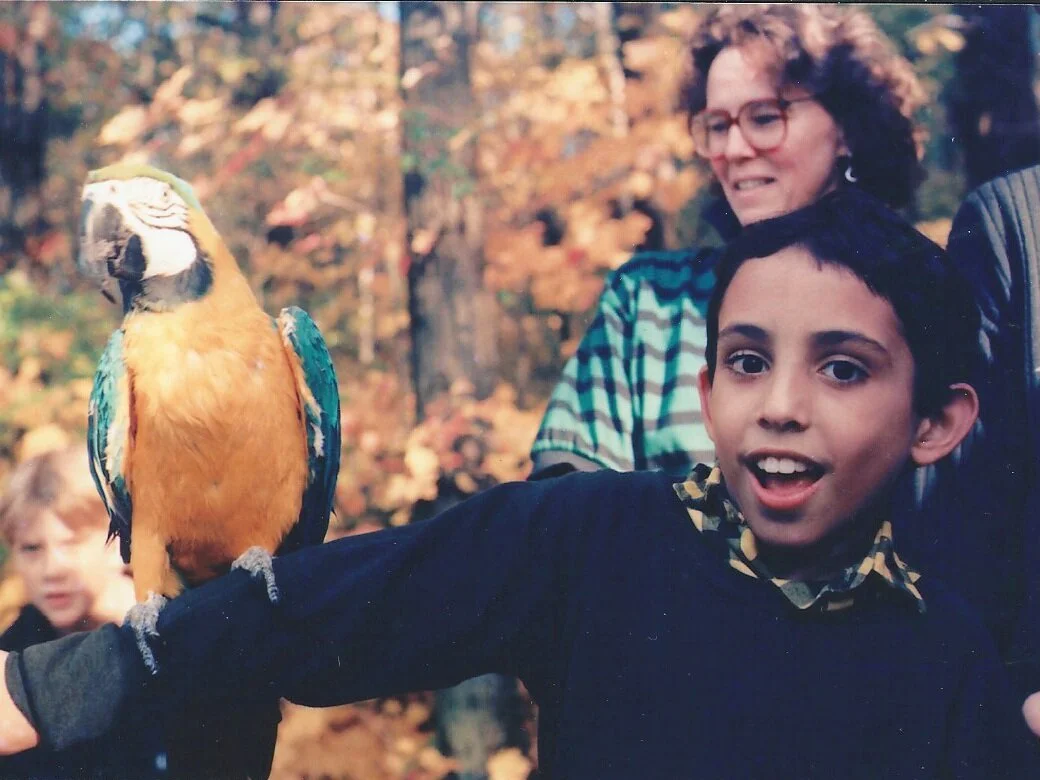
I’ve been a nature nerd since I was young. I can’t remember when or where the bug first bit me, but adventures in the great outdoors were always my favorite early memories. I grew up in New York City, where the cities parks and zoos were my favorite hang-outs. The Central Park Zoo, Bronx Zoo, the Museum of Natural History and Riverside Park were my favorite. Learning about wildlife through observation came naturally, but no matter how many times I visited these places it seemed there was always something more to discover.
My aunt is also to blame. During my childhood she was the director of the Discovery Room at the Museum of Natural History in North Carolina. There I discovered the joys of learning about wildlife, conservation and science first hand. The early childhood experiences in places like this set me on a path that has lasted decades.
Madagascar

Nosy Maitso
Nosy Maitso means “Green Island” in the native Malagasy language. It’s what the elders there called the island, remembering a time when the island was covered in lush rainforests. Today, it is called “Nosy Mena” or “The Red Island” a result of a thousand years of deforestation and erosion.
I first traveled to Madagascar in 2008 on a Stony Brook University study abroad program. At Stony Brook, I studied physical anthropology, primatology and archaeology. Exploring humans, our evolution, our connections to ancient hominins and our connections with non-human primates was fascinating. I had the pleasure of studying under some of the most amazing professors in the world, including Professor Richard Leakey of turkanabasin.org, the notorious Professor John Shea who taught me flint-knapping, fire-making and spear chucking, and Dr. Diane Doran-Sheehy and Dr. Patricia Wright who first unlocked my passion for primates. After leading a primate behavior research project with the Bronx Zoo Western Lowland Gorillas, I followed Dr. Patricia Wright to Madagascar. Dr. Wright ran a well-established research station in Ranomafana National Park, a park she helped create after her re-discovery of a species of lemur believed to be extinct.
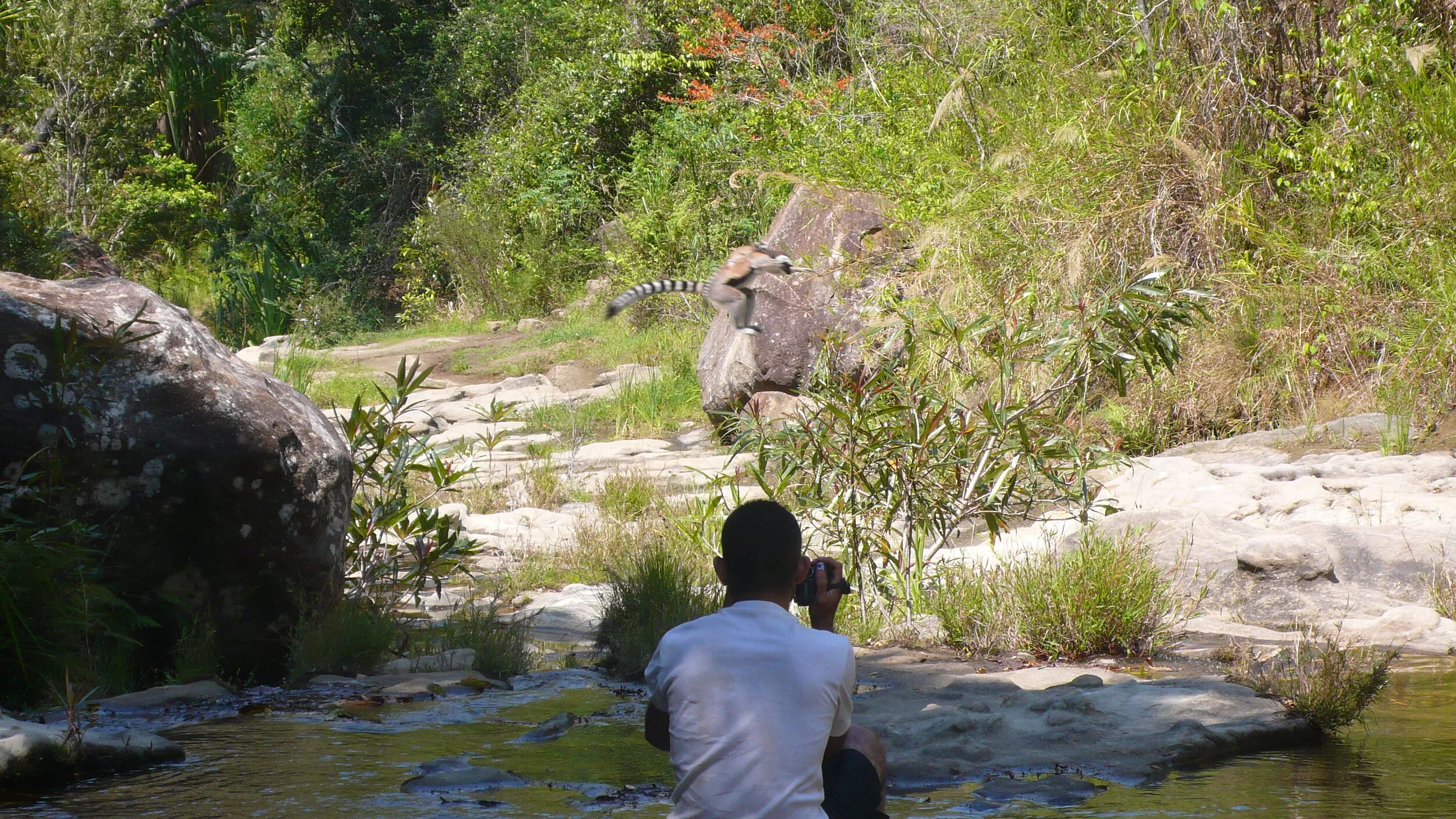
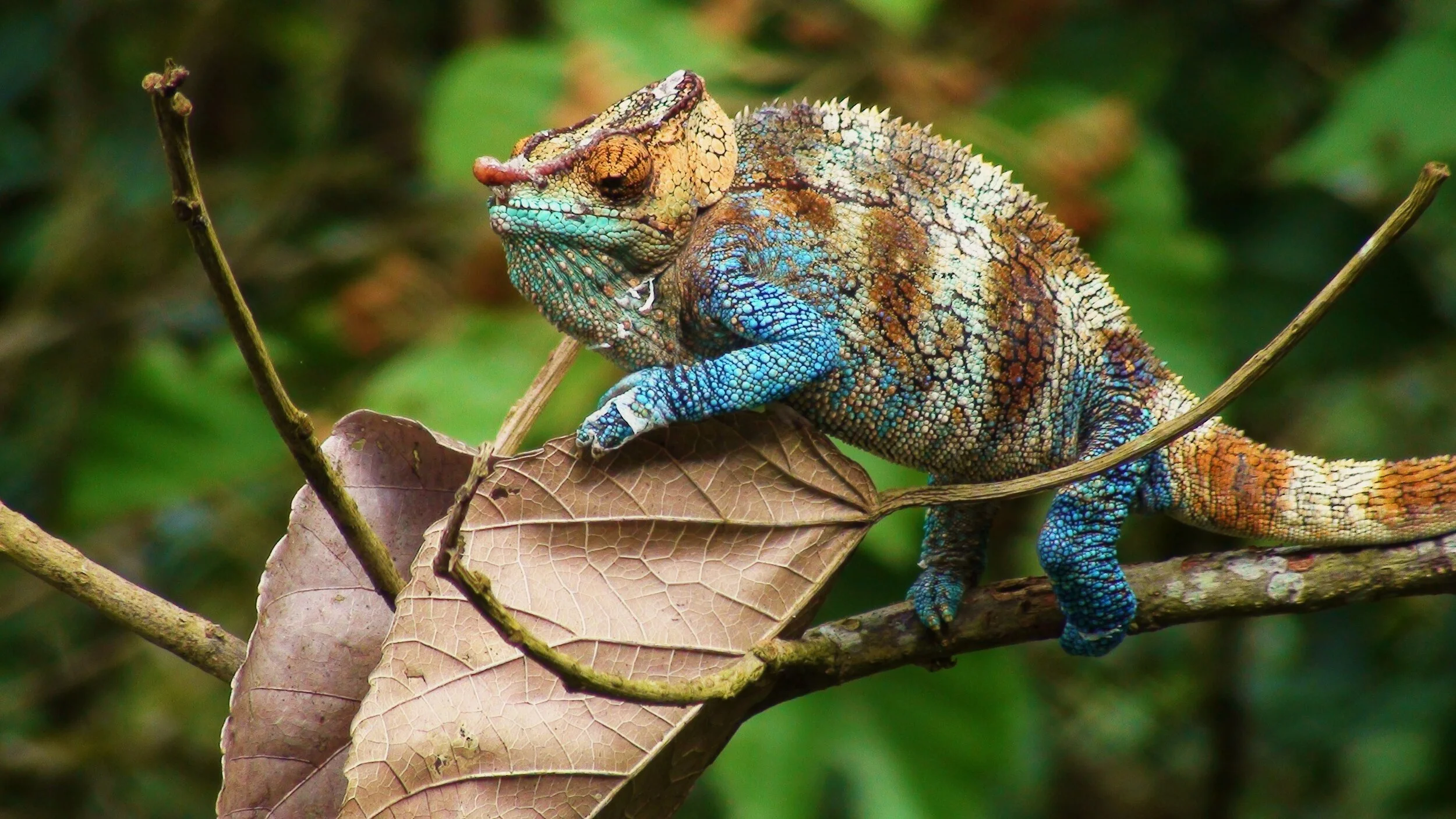
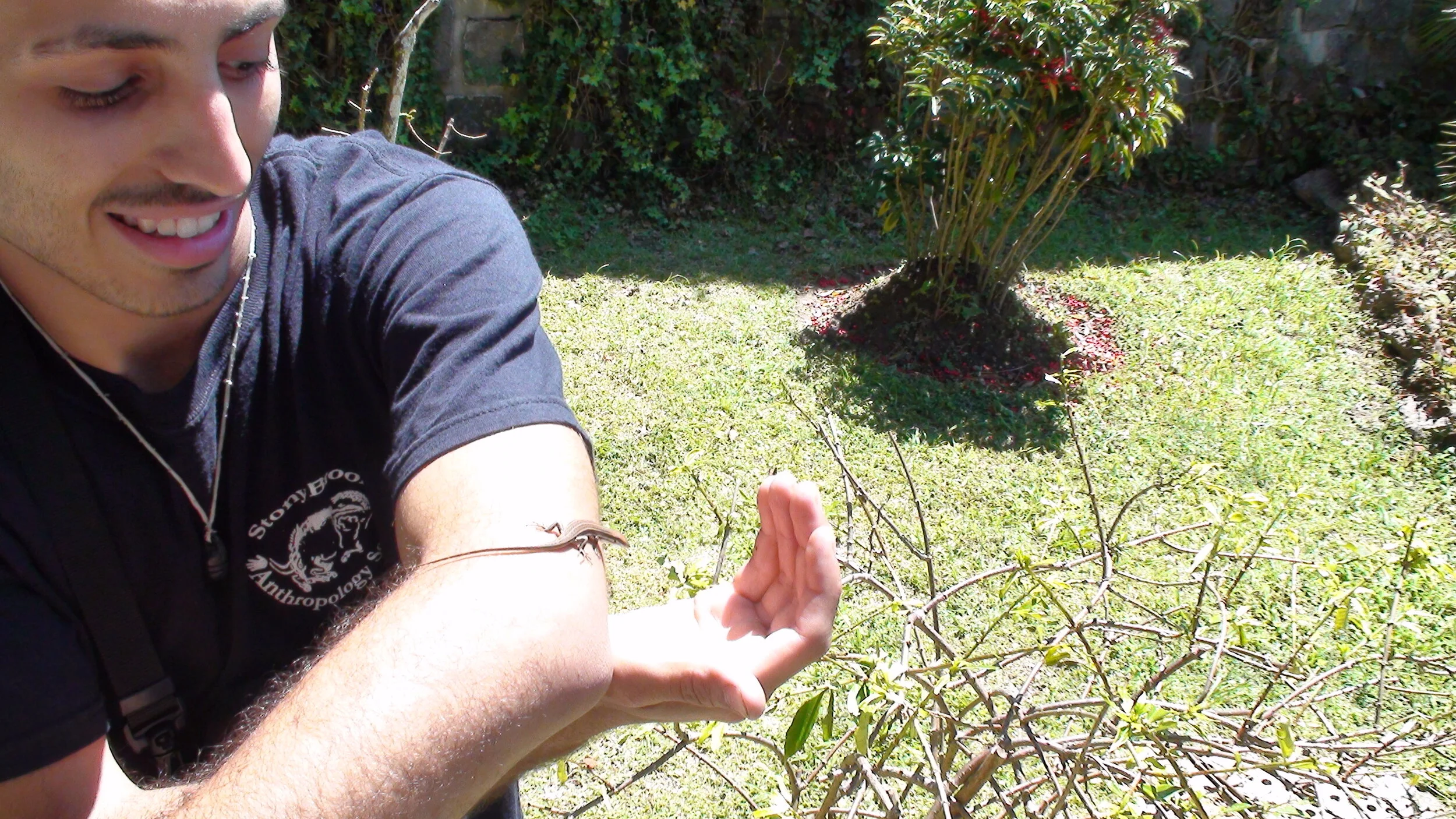
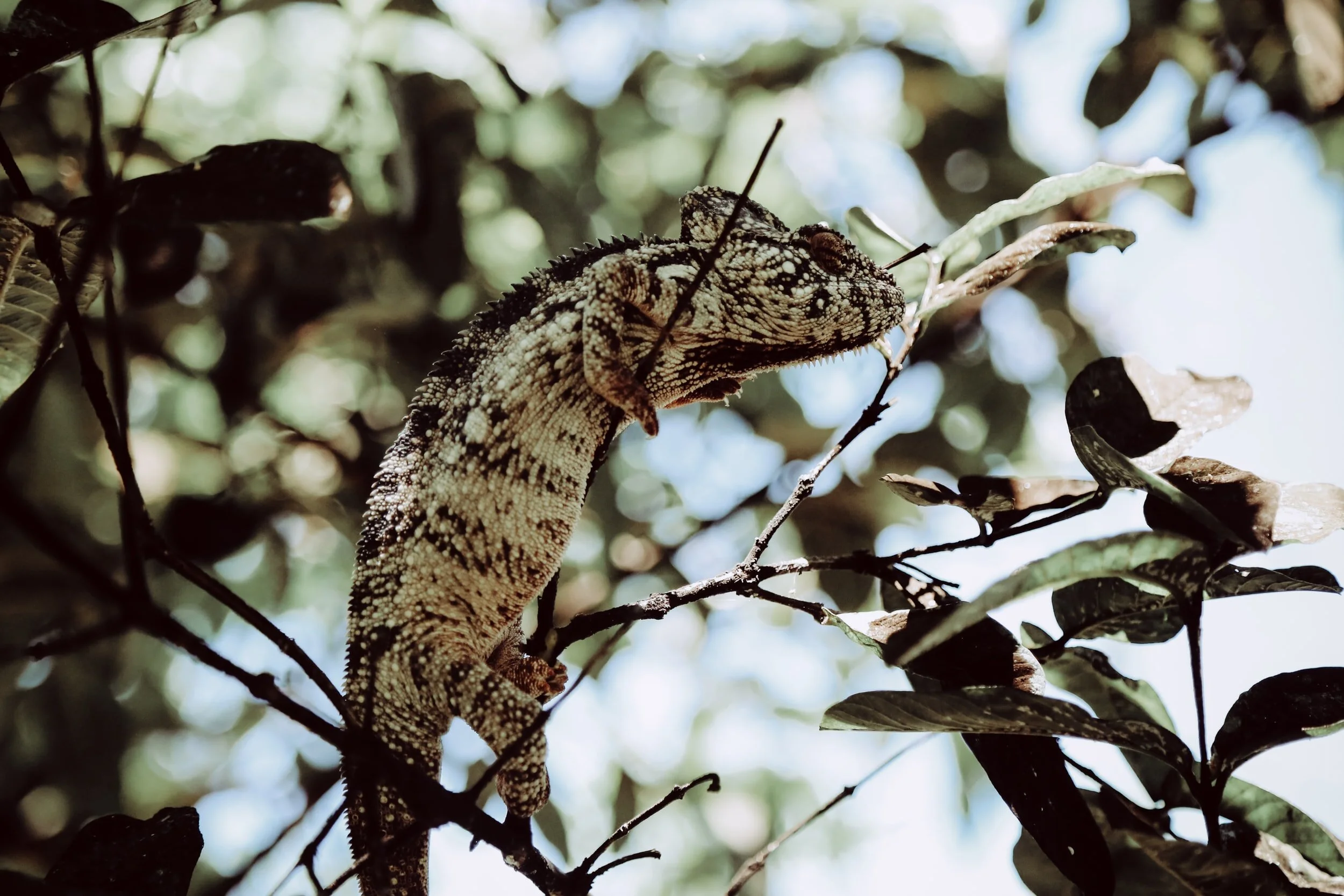
Madagascar is an absolutely incredible island. Most of the vertebrates are endemic, meaning they do not live anywhere on Earth. The island is an evolutionary wonderland, as many of the native animals evolved in isolation, away from the natural pressures found elsewhere. As the only primates on the island, lemurs have evolved to fill the niches of many animals that don’t exist on the island. There are over a hundred lemur species, each one unique in its own way. And many of them, and the other animals that live here, are under threat.
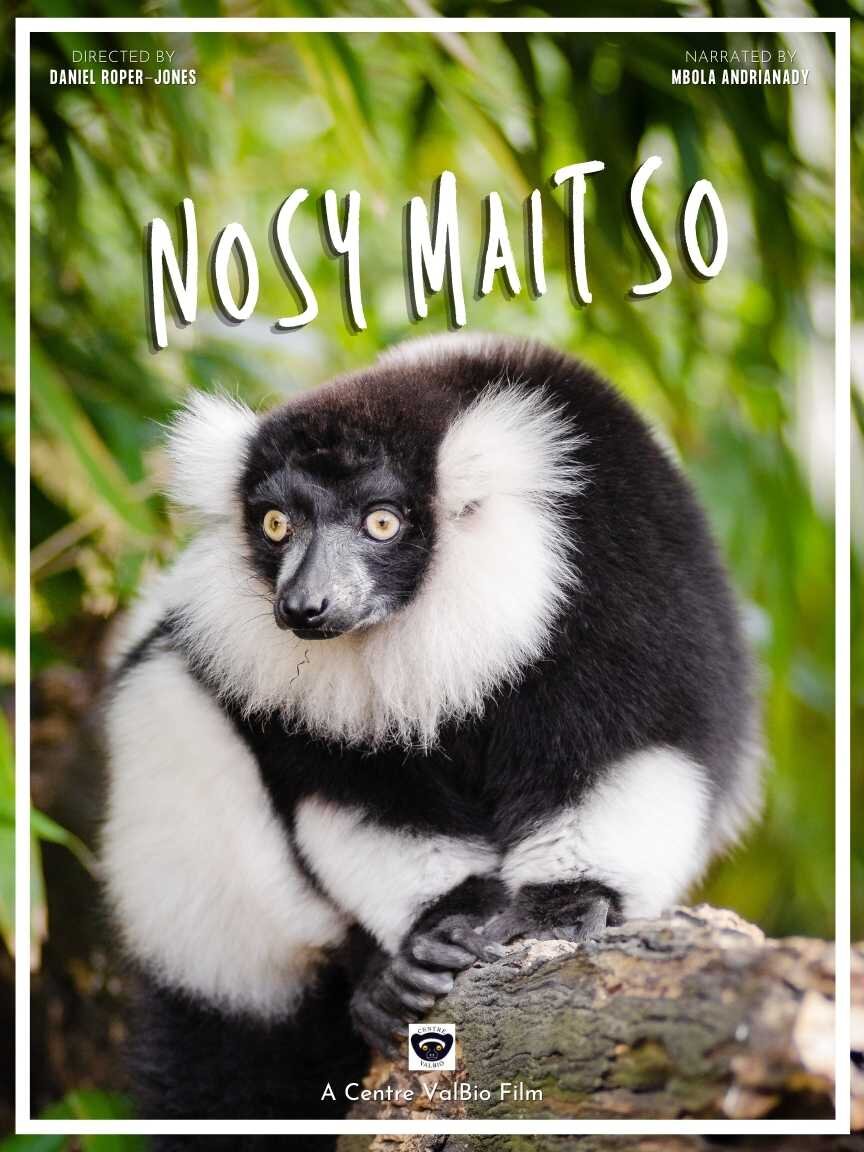
Dr. Wright asked me to spend my time making a film about the park and the conservation research her team conducted. The film was designed to support the local Environmental Education effort. Over an incredibly hectic two weeks, I worked with my partner Blue (the film’s narrator) to produce and edit “Nosy Maitso.” Narrated entirely in the local language, the goal was to ensure the science-heavy film would still connect and inspire local communities and Malagasy audiences around the country. Today, the film is shared in communities around the national park, has aired on the national TV station many times, and in 2011, won an award for conservation from the International Wildlife Film Festival in Montana.
“Nosy Maitso” served my introduction to film and visual media as a tool for cross-cultural conservation engagement. Today, I still rely on the skills I developed in Madagascar to engage communities in education and conservation, and put them to use to help inspire people to love and care for wildlife and nature.
WCS Bronx Zoo
(2010-2011)

Discovery-Based Learning
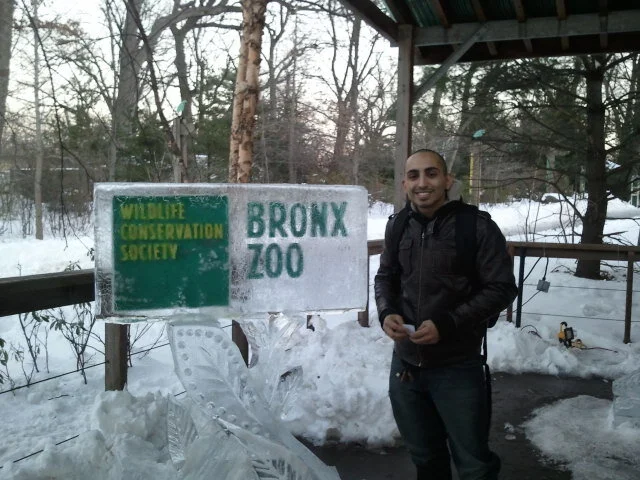
After completing a second year in Madagascar working for Dr. Patricia Wright, I took a job with the Wildlife Conservation Society (WCS) at the Bronx Zoo. This is where I learned the importance of interactive, discovery and exploration-based learning for younger audiences. Prior to this, my only teaching experience had been at the university level, but WCS’s approach to youth education and engagement was inspirational. I learned from some of the best environmental educators in the world about the importance of inquiry and exploration, and saw the passion, care and commitment into developing incredible programs, learning materials and curricula that engaged and inspired.
People learn best by doing. Hands on inquiry, exploration and discovery-based learning are proven techniques to engage students of all ages in the learning process. As conservationists, I believe we need to be better at building these practices into our education, training and outreach work to ensure a more memorable, inspirational, engaging and above all, fun experiences for students of any age and background.
Nigeria
(2011-2012)
Back to the Jungle
In 2011, after two years at the Bronx Zoo, I traveled to Cross River State in Nigeria, where I worked for a primate rescue and research center in the middle of the jungle. There I helped developed an eco-club curriculum for the local schools, assisted with various ongoing primate research projects and biodiversity surveys, contributed GIS survey data and surveillance for illegal logging operations and helped jump start a community tree nursery and reforestation program with the local secondary school.
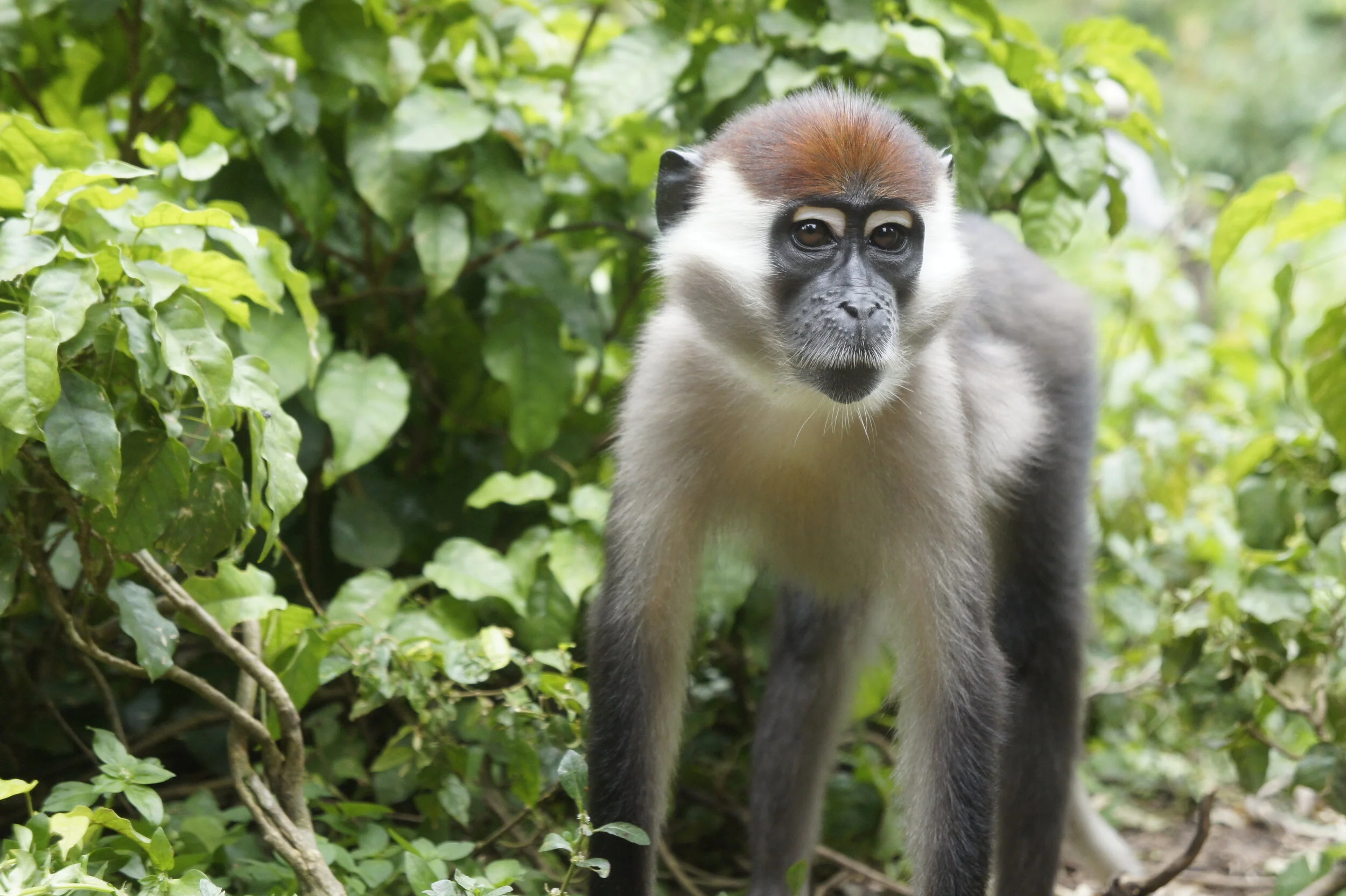
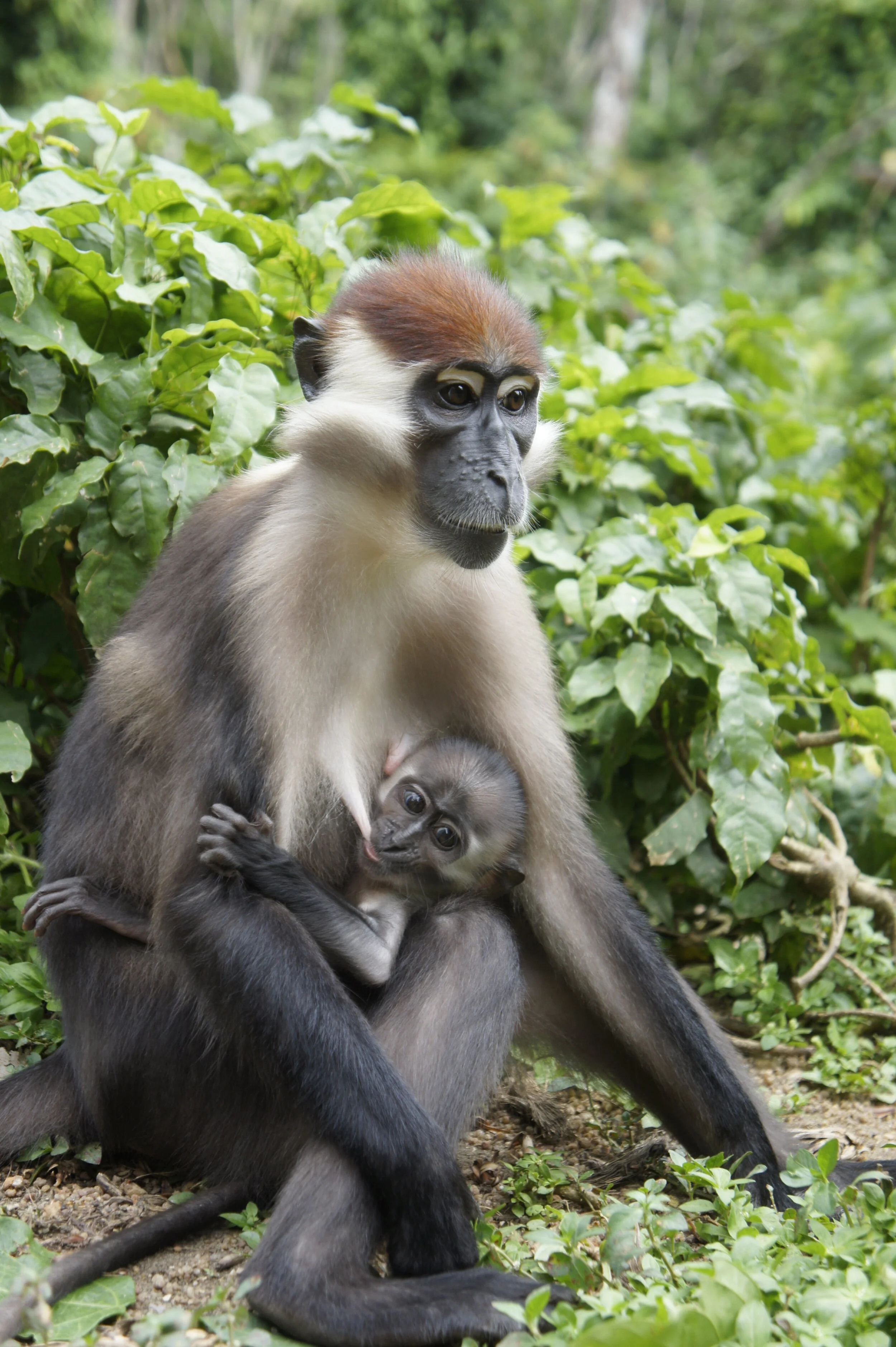
The star primate of the area was the red-capped mangabey (Cercocebus torquatus). Our NGO had over 50 of these beautiful monkeys living in a large open-top pre-release enclosure, a facility designed to help train them for life back in the wild after years in human captivity. This vulnerable species is in rapid decline as a result of poaching and habitat loss.
Our environmental education programs focused on the negative impacts of bushmeat consumption in relation to zoonotic disease transmission, to the intrinsic benefits provided by healthy forests and natural ecosystems. Our students took up the call and helped organize community clean ups, designed their own educational signs and posters, and held public awareness events. In the end, our students and their parents planted over 10,000 new seedlings in the nearby community forests.
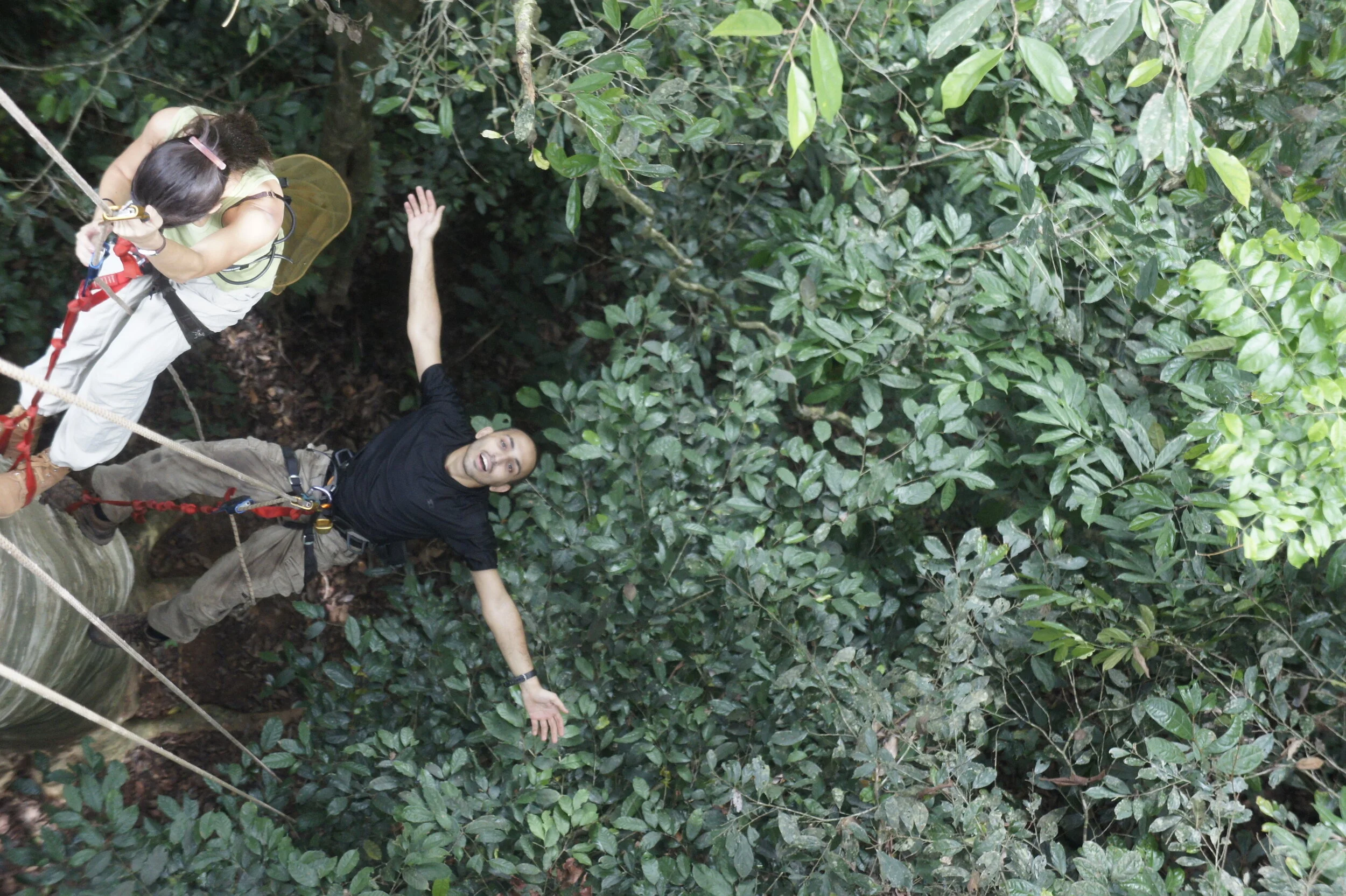
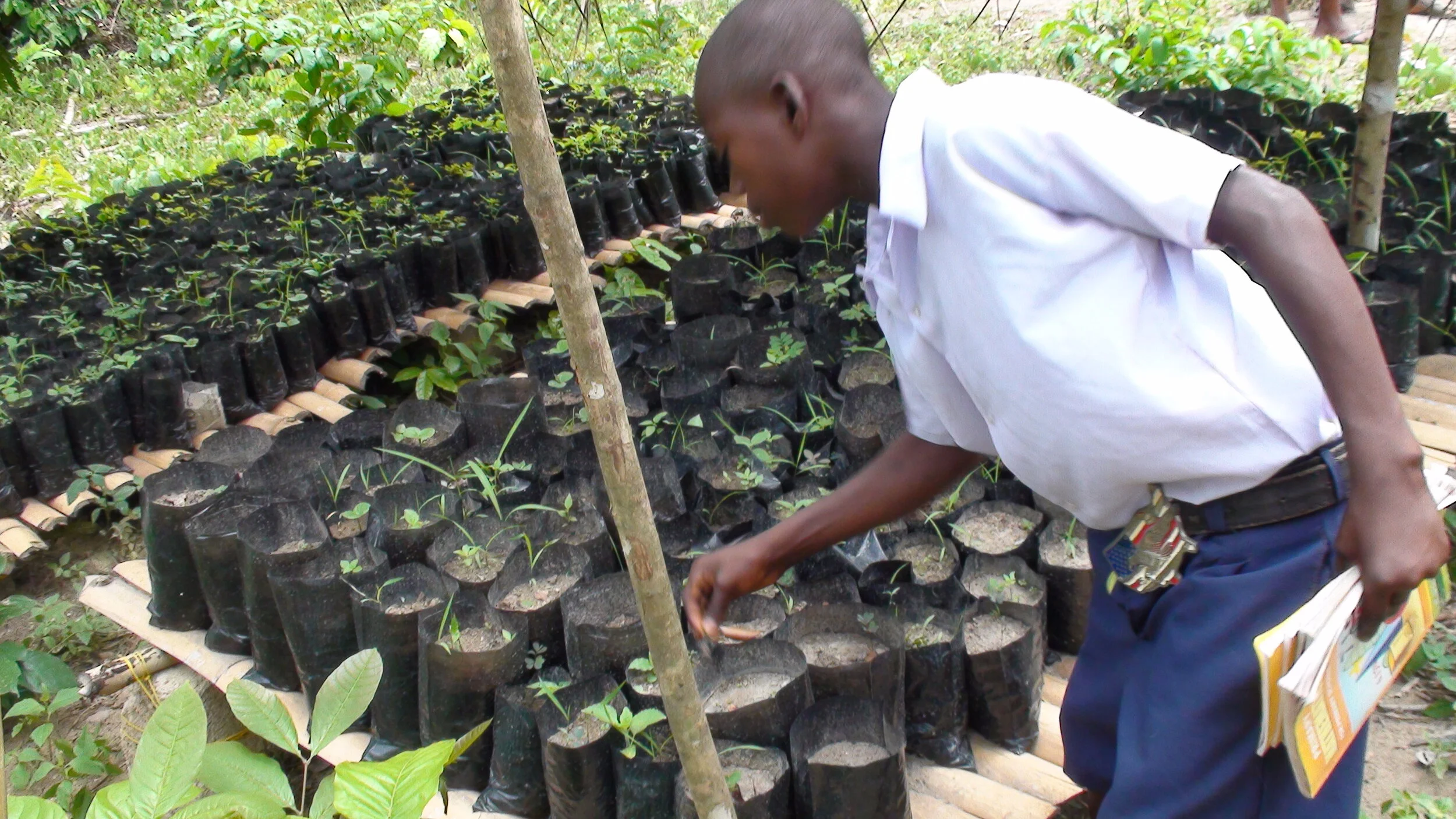
In preparation of my work building the tree nursery, I spent many days setting up top-lines to reach the highest branches of trees to study their fruits. In my spare time I assisted the local animal keepers with building better enrichment protocols and enclosure features for our guenons and mangabeys. Throughout my time there I assisted with numerous research projects and got super excited about developing automated Excel dashboards for data collection and analysis. Nigeria was a challenging and wonderful country, filled with music, dance, and rich culture. Wildlife there is still facing numerous challenges today.
Cambodia
(2013 - 2020)
ACCB Wildlife Rescue Center
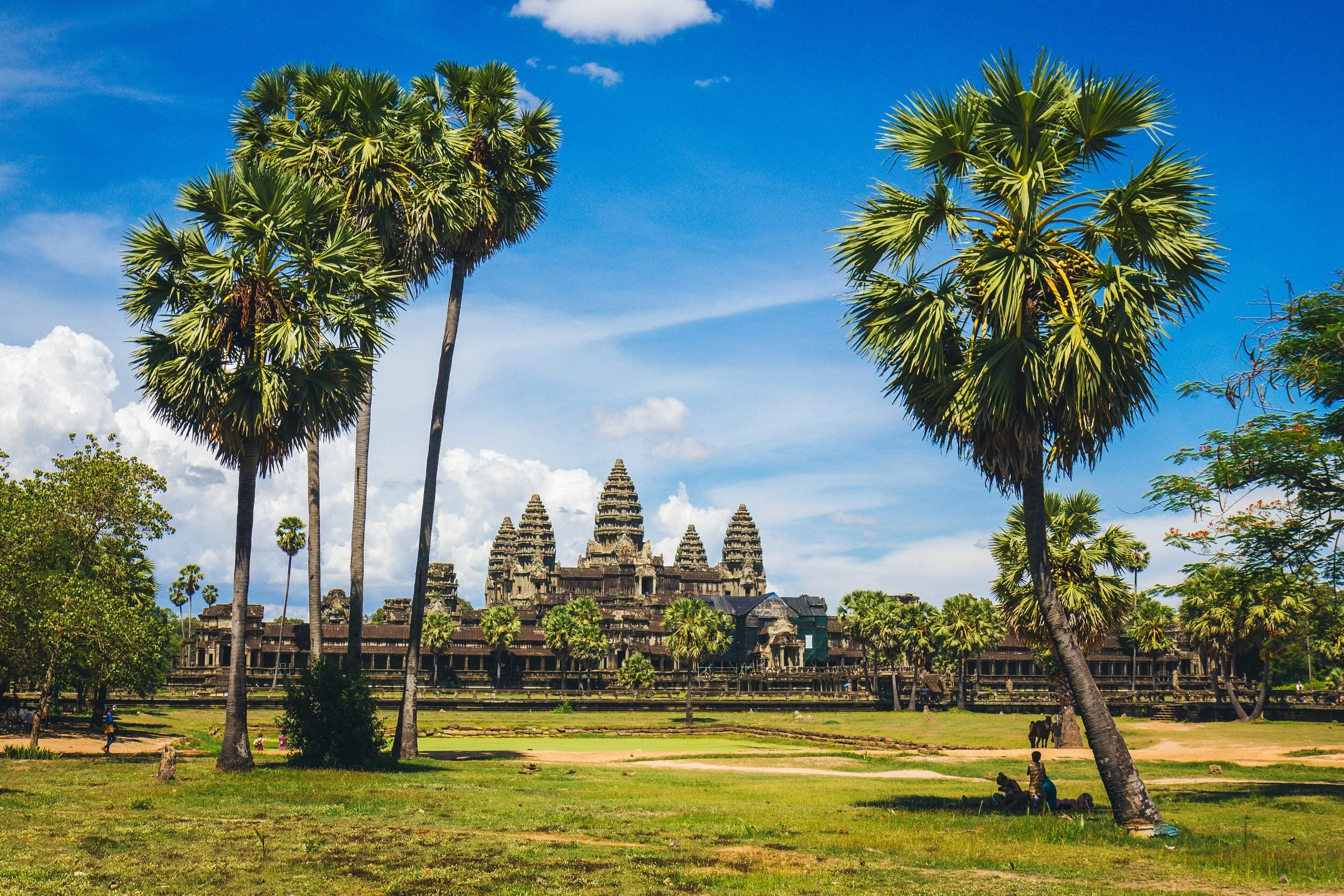
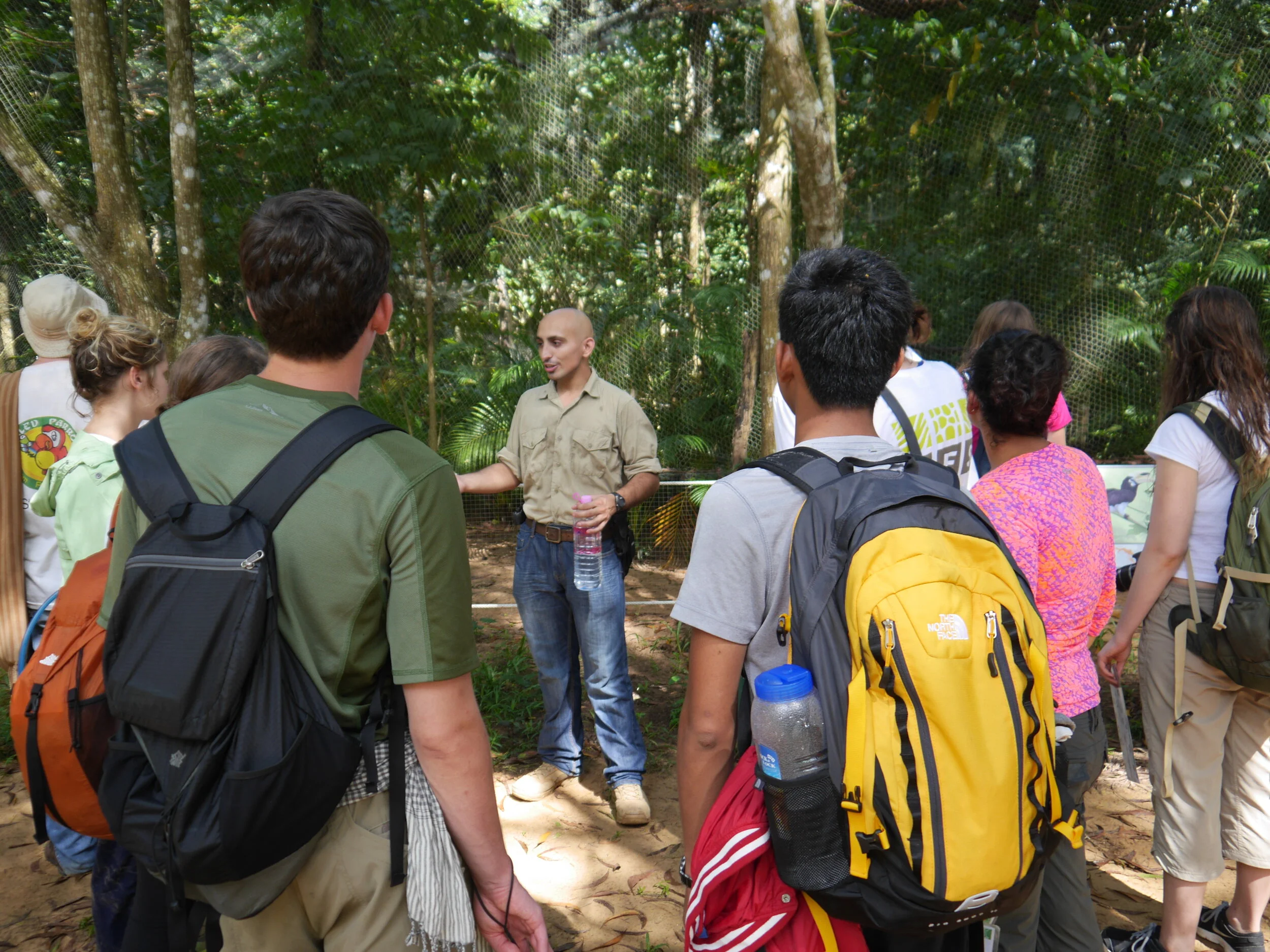
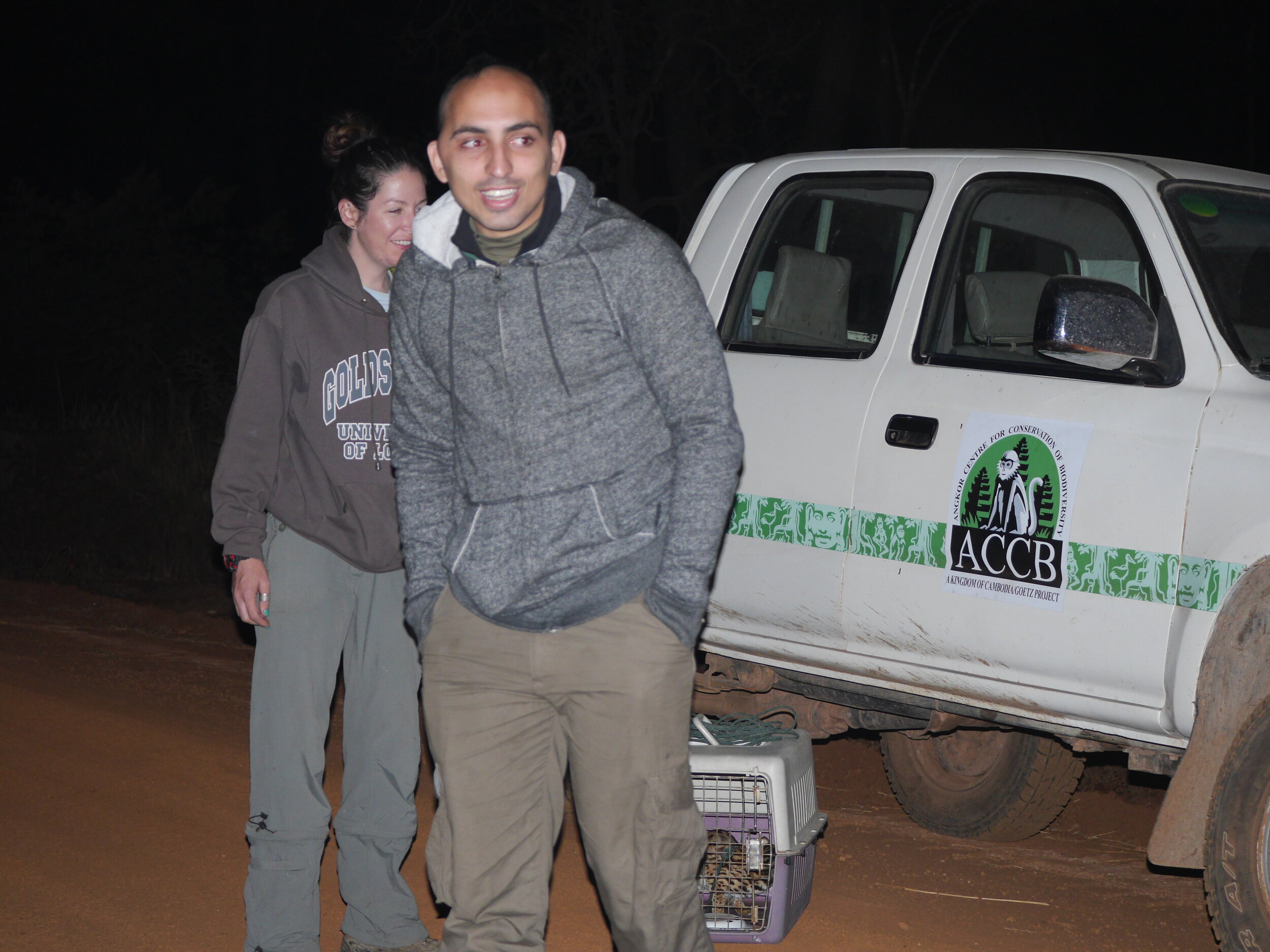
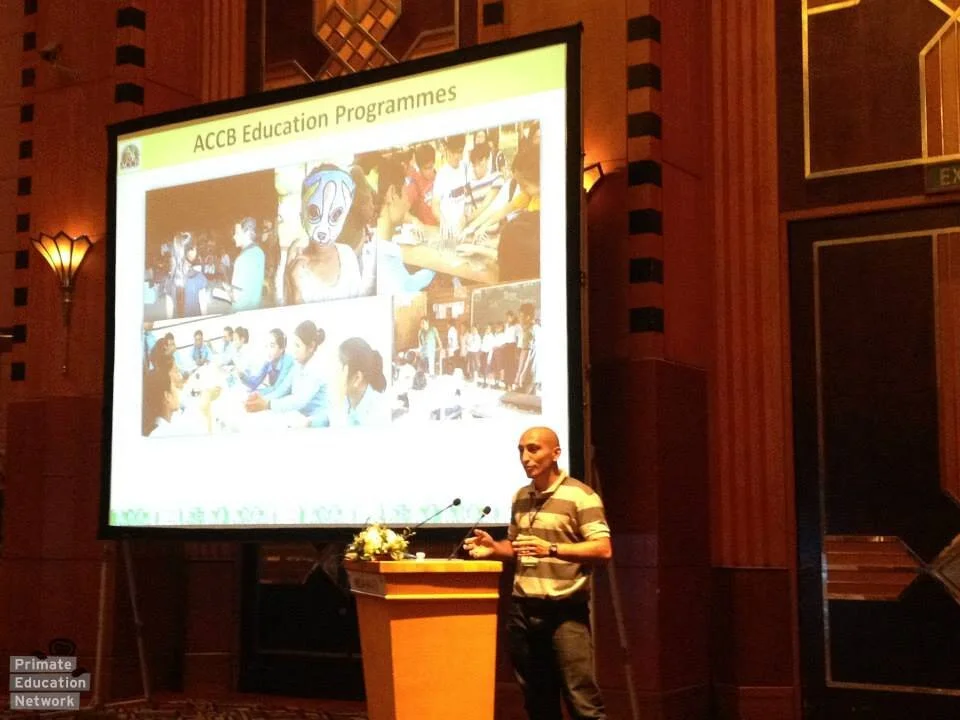
After Nigeria I headed to Cambodia to work as Education & Communications Manager for a wildlife rescue center, not far from the famous temples of Angkor Wat. The center was home to hundreds of animals rescued from the illegal pet trade, or donated by concerned locals. There I helped oversee the development of new environmental education and training programs including a new eco-club curriculum, a teacher training program, ranger training program, monk training program and a community outreach program. I also assisted with various animal rescues and releases, helped develop project administrative protocols and staff training materials, and pushed for higher standards in animal welfare and rehabilitation practices.
Much of my time here involved running a comprehensive social science study on the impacts of our education and training programs. Each new campaign was measured for its impacts and effectiveness. for its effectiveness. Using pre and post questionnaires, surveys, and structured and unstructured interviews, we built up thousands of data points for our programs, and published and presented this study at the 2014 IPS Congress in Hanoi, Vietnam. Our ability to see the impacts of our work, particularly the areas where we could measure failures, was critical in planning improvements and growth.
Non-profits and conservation researchers alike often face enormous pressure to have “successful” results due to fears of losing funding. But data is king, and all data tells a story. My studies helped identify and address significant issues with the way we were conducting education and outreach, problems that were not documented without the associated social impact data. Only by identifying and acknowledging failures can we hope to address and solve real-world problems in conservation. My 2014 talk on identifying failure was well received by fellow scientists in attendance… less so by our Board of Directors.
Fauna in Focus
(2015 - 2020)
Nature Discovery, Education & Wildlife Media
By this point in my career I had come to identify the way I wanted to do conservation; nature discovery, environmental education and wildlife media. With this trifecta I believe conservation can make meaningful progress in building a more informed and engaged public that will demand leaders take real-world actions. In 2015 I founded a 501(c) 3 non-profit called Fauna in Focus with these pillars as the core areas of our work.
Sadly, many of Cambodia’s most iconic species, from howling gibbons to Asian Elephants and clouded leopards, are under threat. The wild habitats where they live are rapidly vanishing as a direct result of illegal logging, agricultural development, hydropower and mining. In 2015, environmental issues and passion for nature was not common amongst the general public. The topics were not well covered in schools. There was little exposure to wildlife, nature or conservation through the media or nature-based activities. Cambodia has no Museums of Natural History, no science centers, no nature centers and no TV channels about nature.
Fauna in Focus set out to change all of this with our three pronged approach to conservation. Our education programs built out ten introductory lessons for k-12 schools These provided some of the most modern hands-on, exploration, and inquiry-based learning programs in the country. We provided our Wildlife Club program to dozens of schools in Siem Reap for free, and offered the materials and curricula to hundreds of local schools across the country. Today, the program is incorporated into regional standards. Our programs later expanded to include workshops specifically designed for university and master’s level students, teacher training programs, ranger training workshops, community outreach programs and public awareness events.
Our approach to wildlife media helped kickstart our new organization with the 2015 production of “A Cambodian Nature Film.” Over 2 years, the small team at Fauna in Focus traveled the country to partner with a dozen local and international conservation organizations. We were supported by amazing donors, and had some expert help from the incredible Oyen Rodriguez, and Allan Michaud. The film release in 2017, and with support from USAID, saw widespread viewership across the country, reaching over a million views in its first month alone. Today, the film has reached over 5 million people in Cambodia, and clips continue to see new views on our still growing YouTube channel.
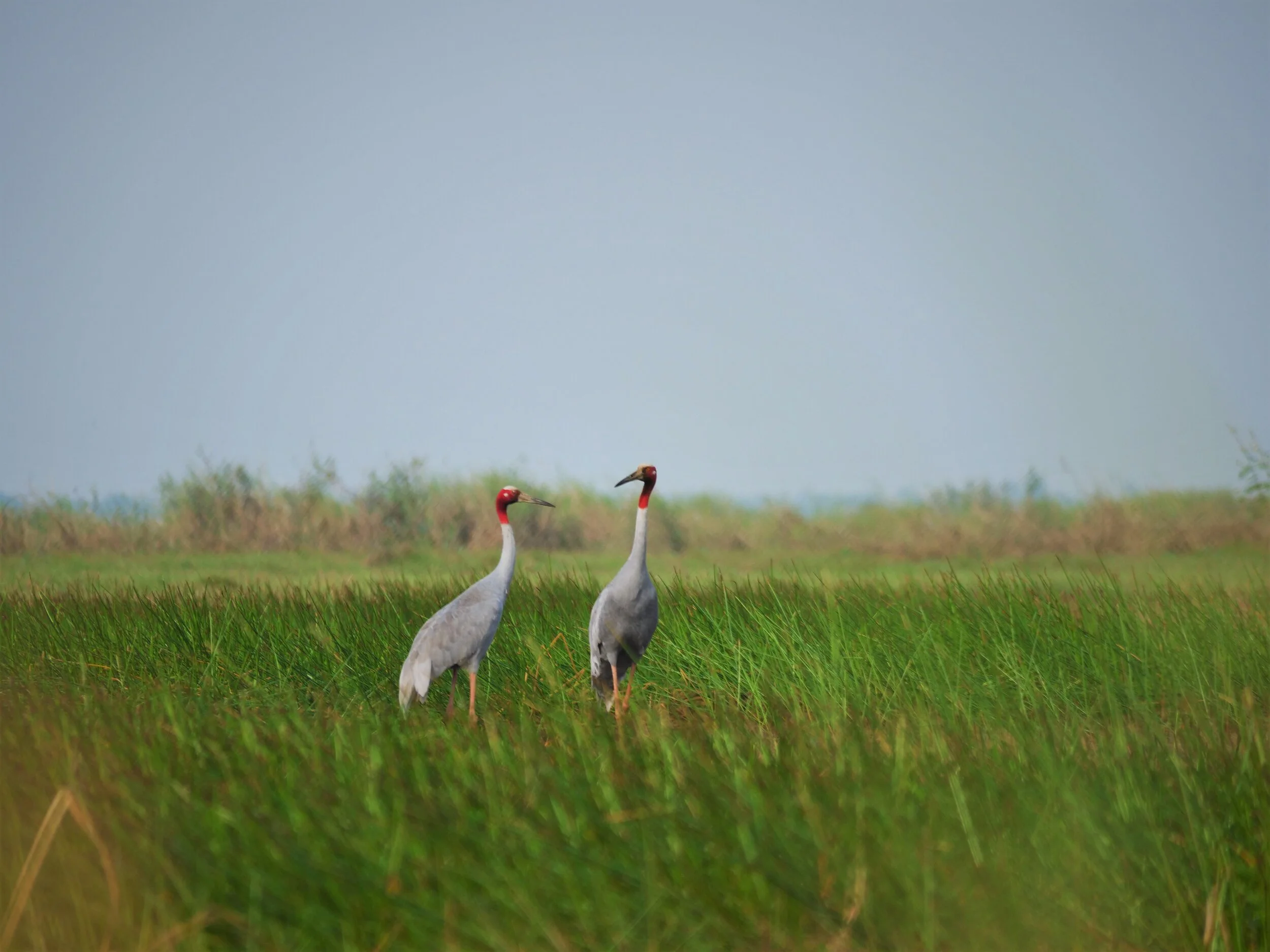
In 2018 I partnered with BirdLife International to produce a short, 3-part film on the vulnerable Sarus Crane. This film was released online, and is still used by BirdLife International in Cambodia today. We released a few additional short films and educational shorts over the next few years, and finally in 2020, we released “Our Only Home”, Cambodia’s first film about climate change.
In mid 2018, we began our most ambitious project of all, construction of Cambodia’s first, and only, Nature Discovery Center. This pilot facility aimed to bring people to nature through our Nature Discovery Expeditions, and also to bring nature to people through our interpretive learning center. With a budget of just $25,000 and about 5 months of effort, we designed and opened the first Nature Discovery Center in Cambodia. The center featured interactive touchscreen kiosks, media displays, hands-on learning stations and dioramas and even a small Jungle Lab Classroom. Just outside, our learning garden featured a mini nature trail and organic farm. In 2020, with support from HUMY, we added a Tree Nursery where were researched and grew IUCN threatened tree species native to Cambodia.
Sadly, COVID 19 exhausted our limited funding and Fauna in Focus shuttered our Cambodian operations by 2021.